How Props Are Made for Australian Film Productions
A behind-the-scenes look at how film props are designed and built in Australia. From concept art to camera-ready builds, Trade Arts breaks down the prop-making process.



How Props Are Made for Australian Film Productions
Australia's film industry is booming. With major international productions choosing to shoot here alongside a thriving local scene, demand for high-quality practical props has never been higher. At Trade Arts, we work directly with production designers, art directors, and props departments to deliver builds that are ready for camera. Here's what that process actually looks like.
It Starts With the Brief
Every prop starts with a conversation. Sometimes we receive detailed concept art or CAD files. Other times, it's a phone call with a description and a reference image from Pinterest. Either way, the first job is understanding what the prop needs to do: Will it be held by an actor? Seen in a wide shot or close-up? Does it need to light up, break apart, or survive being thrown across a room?
These questions drive every decision that follows — material, construction method, finish, and timeline.
Design and Digital Modelling
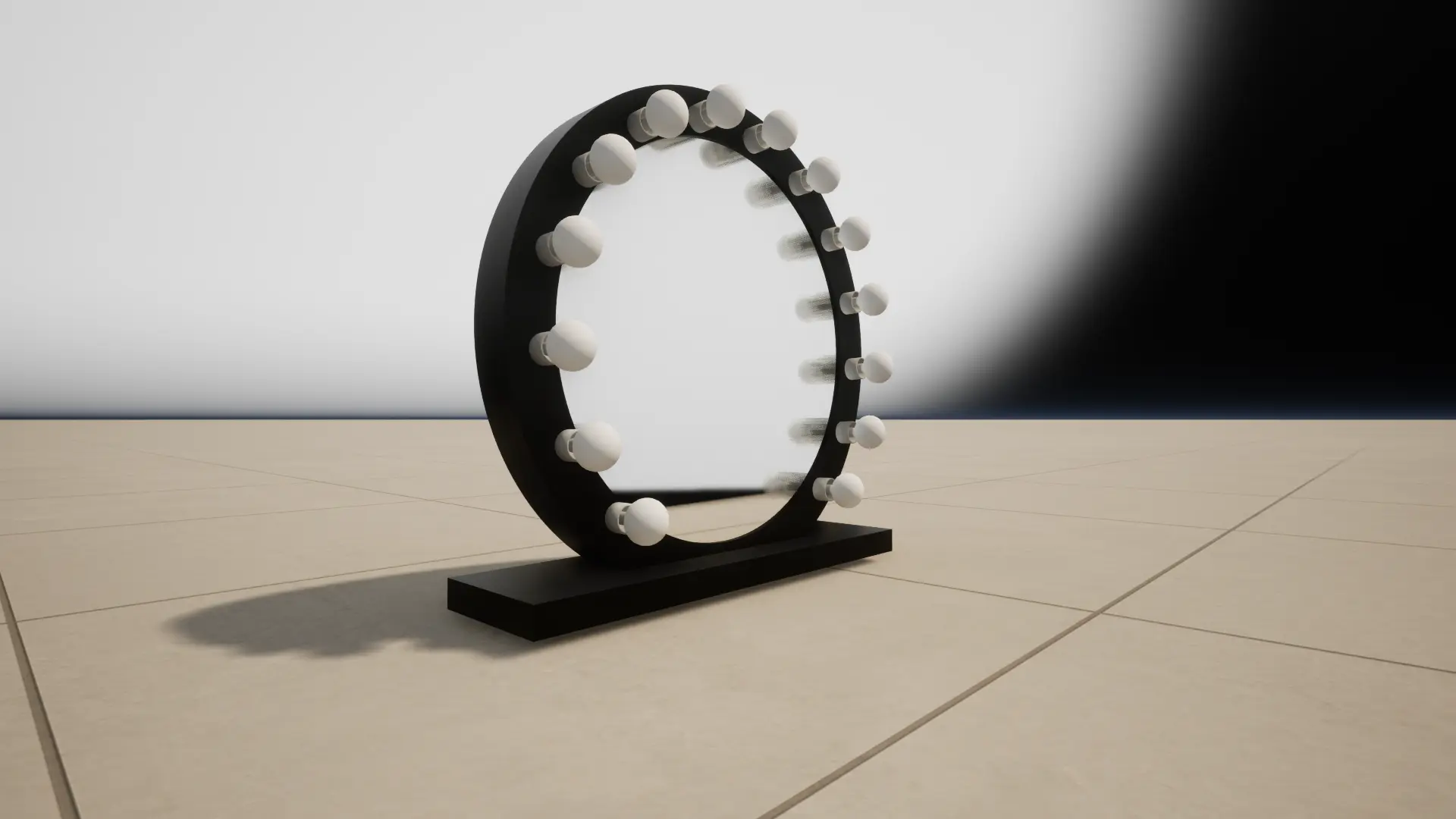
If the prop doesn't already exist as a 3D model, we build one. Using tools like Rhino, ZBrush, and Fusion 360, we create accurate digital representations that can be reviewed, revised, and approved before anything is physically made. This step catches problems early — scale issues, structural concerns, assembly challenges — and gives the production team confidence in what they're going to receive.
For complex props, we also produce renders showing the finished piece in context, which helps art directors sign off and keeps everyone aligned.
Choosing the Build Method
No two props are built the same way. Depending on the geometry, size, and required finish, we might use 3D printing for detailed sculptural elements, CNC machining for structural panels and clean-edged components, traditional fabrication techniques like welding, woodworking, or foam carving, or a hybrid approach combining all of the above.
Most film props end up as hybrid builds. A spaceship console might have CNC-cut panels, 3D printed buttons and detailing, hand-wired LED lighting, and a fully scenic-painted surface.
The Build
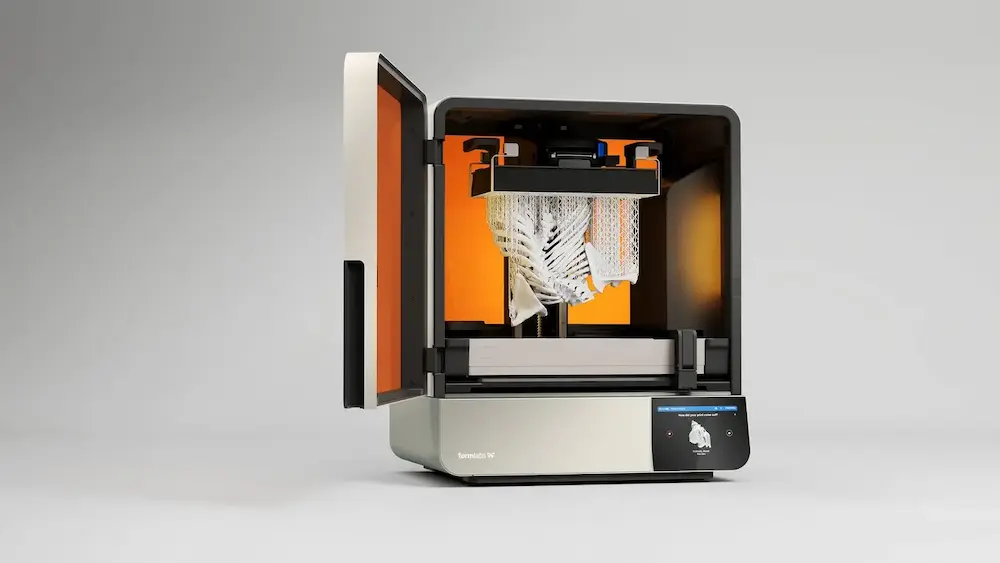
Once the digital design is locked, fabrication begins. Our workshop runs a fleet of FDM and resin 3D printers, CNC routers, and a full suite of hand tools and finishing equipment. Parts are printed or cut, assembled, reinforced where needed (often with carbon fibre tubing or internal armatures), and prepped for scenic finishing.
Assembly is methodical. We use MEK chemical welding for ASA printed shells, mechanical fasteners for parts that need to be serviced on set, and magnets or keyed joints for quick-swap modularity.
Scenic Finishing
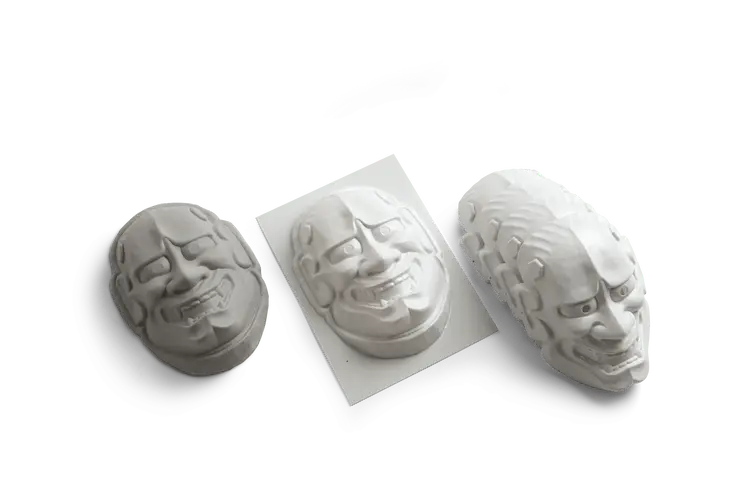
This is where the prop comes alive. Raw fabricated parts — no matter how precise — don't look real until they've been through the scenic pipeline. Our process includes filling and sanding to remove print lines and seams, primer coats matched to the final surface appearance, base colour application by airbrush or spray, weathering techniques including dry brushing, washes, and stippling, and application of decals, markings, or in-world graphics.
A 3D printed plastic part can be made to look like aged steel, worn leather, polished brass, or crumbling concrete. The scenic finish is what sells the illusion on camera.
Delivery and On-Set Support
Props are packed and shipped to set, or in some cases we deliver and install directly. For larger or more complex builds, we provide documentation on handling, repair, and reset procedures. We also build duplicate hero and stunt versions when the script calls for it — one pristine version for close-ups, one battle-worn version for action sequences.
Why Australian Productions Choose Local Fabricators
Working with a local studio means faster turnaround, easier communication with the art department, and the ability to iterate in real time. Shipping props internationally adds weeks and risk. Having a fabrication partner within driving distance of major Australian studios means changes can happen overnight, not over oceans.
Conclusion
Prop making for film is a blend of digital precision and hands-on craft. At Trade Arts, we bring both to every build — from the first sketch to the final take. If you're working on a production and need props built to a professional standard, we'd love to hear from you.