Public Art Fabrication: From Council Brief to Installed Artwork
How Trade Arts fabricates public artworks for councils and government bodies across Australia. From artist collaboration to structural engineering, materials, and installation.


-2.webp)
Public Art Fabrication: From Council Brief to Installed Artwork
Public art commissions are among the most rewarding — and most demanding — projects a fabrication studio can take on. The brief is often ambitious, the stakeholders are numerous, and the finished work needs to survive weather, vandalism, and years of public interaction while still looking intentional and beautiful. At Trade Arts, we partner with artists, councils, and design studios to fabricate public artworks that meet these requirements.
How Public Art Projects Typically Work
Most public art projects in Australia follow a structured process. A council or government body issues a brief — sometimes through an open call, sometimes through a curated shortlist. An artist or design studio is selected, and they develop a concept that then needs to be engineered, prototyped, and fabricated. This is where a specialist fabrication partner becomes essential.
The artist brings the vision. We bring the technical knowledge to make it buildable, durable, and installable within budget. That collaboration is the core of every public art project we work on.
Engineering and Structural Considerations
Public artworks are subject to wind loading, structural certification, and public safety requirements that don't apply to gallery or studio work. Depending on the scale and location, builds may require engineering sign-off, certification for public spaces, and compliance with relevant Australian standards.
Trade Arts works with structural engineers where required and designs builds with these constraints embedded from the start — not retrofitted after the creative design is locked.
Materials for Outdoor Permanence
Outdoor public art needs to withstand UV exposure, rain, salt air, temperature cycling, and physical contact. We specify and fabricate using marine-grade coatings and UV-stable clear coats, stainless steel and aluminium structural elements, weather-resistant composites and reinforced 3D printed elements, and anti-graffiti and anti-tamper surface treatments.
Material selection is documented and included in project specifications for council approval.
The Fabrication Process
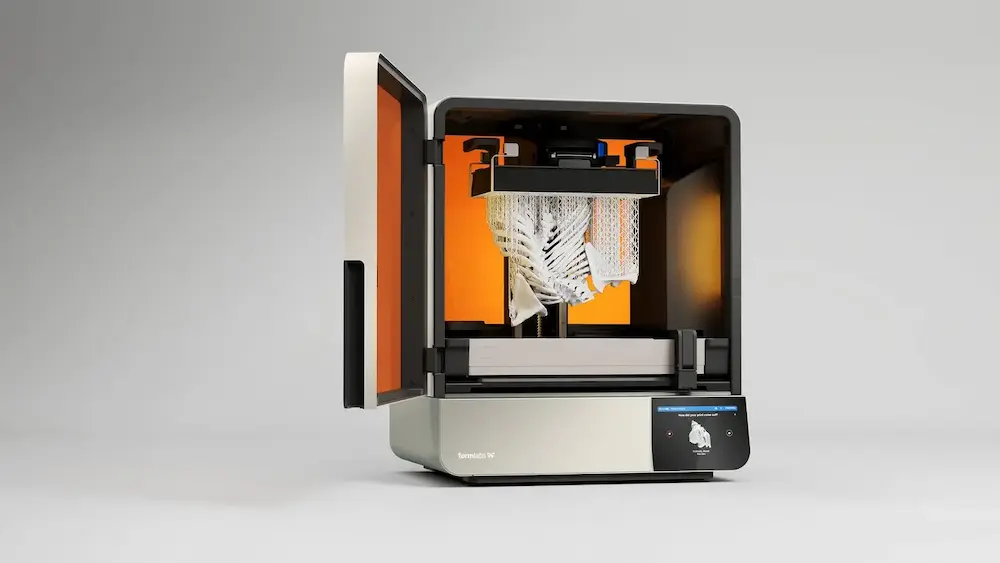
Our typical workflow for a public art commission includes digital modelling and prototyping to confirm scale, proportion, and detail with the artist, structural planning and material specification, fabrication using a combination of CNC machining, 3D printing, metalwork, and traditional techniques, scenic finishing to achieve the artist's intended surface quality, and delivery and installation support including craneage coordination and site fixings.
Working With Councils and Government Bodies
We understand the procurement and compliance requirements that come with government-funded projects. This includes formal quoting and milestone-based invoicing, WHS documentation and site-specific risk assessments, insurance and supplier registration (including platforms like EFTSure), progress reporting and documentation for grant acquittals, and post-installation maintenance guidance.
Scale and Ambition
Trade Arts has the capability to fabricate public artworks from tabletop scale up to large-format installations. Our workshop combines digital tools (CNC, 3D printing, CAD) with traditional fabrication (metalwork, scenic finishing, structural assembly) to handle complex geometry, large volumes, and high-quality surface finishes.
Conclusion
Public art fabrication is where craft meets engineering meets public accountability. At Trade Arts, we bring all three together — helping artists and councils deliver ambitious, durable, and beautiful works for public spaces across Australia. If you're scoping a public art project and need a fabrication partner, we'd welcome the conversation.